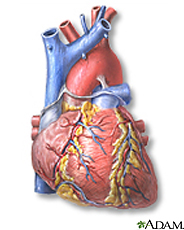
Each person must have felt chest pain during his life. Even in a year at least you never once felt chest pain. Most, will directly connect with chest pain of heart disease, especially if the chest pain is felt in the left chest.
In fact, chest pain caused by heart disease less than the frequency of chest pain not caused by heart disease. Research related to the causes of chest pain ever done in Switzerland involving 672 patients. These patients come with complaints of chest pain. But after undergoing the examination, chest pain caused by heart disease only about 16 percent. Is the cause of most muscle problems, which is about 50 percent.
Similar research has also been conducted on 135 pediatric patients aged 4-17 years. The children were brought for treatment because complaining of chest pain. Of the many children, chest pain caused by heart disease was found only in 1 patient only. The rest chest pain caused by muscle tension, such as psychic anxiety, and gastrointestinal disorders.
But that does not mean we should not underestimate chest pain. Chest pain that was caused heart can be fatal. Therefore, knowledge about the characteristics of chest pain caused by heart is very important.
Characteristic chest pain caused by heart
Pain is defined as an unpleasant sensation caused by tissue damage. Actual pain is subjective. Heart will give you the sensation of pain in the event of the threat of damage to the heart tissue. Terseringnya the cause is lack of oxygen and blood that may appear on the conditions blockages or narrowing of coronary arteries.
Not all chest pain worry comes from the heart. Some characteristics of chest pain should be wary berikutlah comes from the heart.
The heart is located in the middle of the chest a little bit to the left. Therefore, not all chest pain caused by heart is felt on the left. When the right side of the heart damage, the pain can be felt right chest pain. If the damaged heart tissue behind, it can appear symptoms bad taste in the back. Similarly, if the bottom of the heart is damaged, the pain can be felt in the pit of the stomach that resemble symptoms of heartburn.
Organs including the heart so that the nature of the pain is pain that is not localized. That is, you will not be able to designate the location of the pain with just one finger. Typically, a patient's heart will show you where the pain with the rest of the palm of his hand when asked where the pain is felt.
Sensation of chest pain caused by heart usually blunt. Crushed chest pain like a heavy sensation, depressed, severe tightness, and burning. However, some of them may also experience pain prickling.
Another distinctive feature is that there is propagation. Pain caused by the heart can be spread through the nerves to the shoulder, left arm, through to the back, and neck. The typical places for spreading pain from the heart.
Regarding long, chest pain can vary depending on the severity of heart disease. Chest pain due to mild narrowing usually lasts less than 20 minutes. Meanwhile, total blockage or pain due to acute heart attacks occur more than 20 minutes.
Chest pain from heart disease occurs when the heart of our work increases, for example when on the move, shortly after the move, angry, emotional, or stress. Pain is relieved with rest and calm down.
Another distinctive feature is that the pain is not affected by body position. Standing, sitting, lying tilted to the right, the left, and so will not affect the pain. Similarly with breathing. Pain caused by the heart not getting sick or exhale as you pull. If the pain increases with breathing, chest pain it causes more suspicion caused by the lungs or the chest wall muscle.
Chest pain caused by heart usually accompanied by other symptoms of sympathetic nerves, the symptoms such as anxious person. Sympathetic symptoms include cold sweats, rapid heart rate, weakness, nausea, and vomiting.
You have chest pain? or the people around you there is pain in the chest? Try to fit the characteristics of pain in the upper. Not so fast fear that experienced chest pain due to heart. However, if the characteristics presumably leads to the heart, immediately to the nearest hospital!
May be useful.
Showing posts with label Heart Disease. Show all posts
Wednesday, July 24, 2013
Tuesday, July 16, 2013
Cheerful people more immune to heart attacks
Looks cheerful and always happy not only makes you a man who endeared, but also keep you away from heart disease. a study showed that people who have a cheerful heart attack risk smaller.
"Temperament is positive and happy to have an influence on the disease. As a result, you can be healthier," said researcher Lisa R Yanek of the Division of General Internal Medicine at Johns Hopkins University School of Medicine.
Yanek research conducted involving 1,483 healthy people with relatives who have had heart disease, such as heart attack or sudden death before age 60 years. Participants were followed for 25 years and fill out a survey related to their circumstances such as life satisfaction, level of anxiety, mood, and others.
During the study, scientists found 208 cases of heart disease. After calculating all the risk factors for heart disease, researchers found that positive thinking and behavior can reduce the risk of heart attack by 30 percent.
In addition, be cheerful and happy, and always look positively associated with risk reduction of coronary heart disease by 50 percent, as reported by the Huffington Post (11/07).
To clarify these findings, researchers looked at data from other groups that followed 5,992 people for 16 years. They also found that people who always look cheerful can reduce the risk of heart attack by 13 percent.
This is not the first study to associate positive thoughts with good health. Previous research in the journal Psychological Science this year shows that having positive emotions associated with better physical health. (MDK)
"Temperament is positive and happy to have an influence on the disease. As a result, you can be healthier," said researcher Lisa R Yanek of the Division of General Internal Medicine at Johns Hopkins University School of Medicine.
Yanek research conducted involving 1,483 healthy people with relatives who have had heart disease, such as heart attack or sudden death before age 60 years. Participants were followed for 25 years and fill out a survey related to their circumstances such as life satisfaction, level of anxiety, mood, and others.
During the study, scientists found 208 cases of heart disease. After calculating all the risk factors for heart disease, researchers found that positive thinking and behavior can reduce the risk of heart attack by 30 percent.
In addition, be cheerful and happy, and always look positively associated with risk reduction of coronary heart disease by 50 percent, as reported by the Huffington Post (11/07).
To clarify these findings, researchers looked at data from other groups that followed 5,992 people for 16 years. They also found that people who always look cheerful can reduce the risk of heart attack by 13 percent.
This is not the first study to associate positive thoughts with good health. Previous research in the journal Psychological Science this year shows that having positive emotions associated with better physical health. (MDK)
5 Symptoms of a heart attack that occurs during sleep
During your sleep, blood pressure and heart rate regularly and generally will be more relaxed. However, suffered a heart attack while sleeping can happen to anyone. In most cases, people are fast asleep may have a heart attack that resulted in sudden death. If you experience these symptoms, immediately go to the nearest clinic or hospital. Let us refer to the review of Livestrong!
Rapid heartbeat and irregular
Waking up with a rapid heartbeat or irregular can be a sign of a heart attack or coronary heart disease, which is a serious medical condition that leads to heart failure. If you experience an irregular heartbeat for more than five minutes, seek immediate emergency help.
Sleep disorders
Restlessness and inability to actually asleep can be a symptom of heart attack. This symptom is also equipped with daytime fatigue, which can be a sign of a heart attack.
Cold sweats at night
Waking up in the middle of the night with cold sweating can show symptoms of a heart attack. Also, notice if you suddenly wake up and then immediately sweating. Many heart attacks occur when you wake up because biochemical release into the bloodstream. Some sweat when sleep does not always point to heart problems, but be careful, if you are experiencing cold sweats at night.
Chest pain
Chest pain is the most easily recognized symptom of myocardial infarction, but not the most common. Shortness of breath, chest pain, and pain that can occur unusually sharp in sleep or shortly after waking up. Mild chest pain may be the most dangerous of all of this, because people often ignore these symptoms. Doctors call it a heart attack with mild symptoms.
Body aches
Some heart attack patients wake up with pain or discomfort in the arms, neck, abdomen, and back. These symptoms come and go.
These are symptoms of a heart attack while sleeping you should recognize, especially if you or your relatives have been diagnosed with heart disease. Remember, heart disease can be fatal at any time. (MDK)
Rapid heartbeat and irregular
Waking up with a rapid heartbeat or irregular can be a sign of a heart attack or coronary heart disease, which is a serious medical condition that leads to heart failure. If you experience an irregular heartbeat for more than five minutes, seek immediate emergency help.
Sleep disorders
Restlessness and inability to actually asleep can be a symptom of heart attack. This symptom is also equipped with daytime fatigue, which can be a sign of a heart attack.
Cold sweats at night
Waking up in the middle of the night with cold sweating can show symptoms of a heart attack. Also, notice if you suddenly wake up and then immediately sweating. Many heart attacks occur when you wake up because biochemical release into the bloodstream. Some sweat when sleep does not always point to heart problems, but be careful, if you are experiencing cold sweats at night.
Chest pain
Chest pain is the most easily recognized symptom of myocardial infarction, but not the most common. Shortness of breath, chest pain, and pain that can occur unusually sharp in sleep or shortly after waking up. Mild chest pain may be the most dangerous of all of this, because people often ignore these symptoms. Doctors call it a heart attack with mild symptoms.
Body aches
Some heart attack patients wake up with pain or discomfort in the arms, neck, abdomen, and back. These symptoms come and go.
These are symptoms of a heart attack while sleeping you should recognize, especially if you or your relatives have been diagnosed with heart disease. Remember, heart disease can be fatal at any time. (MDK)
Friday, September 14, 2012
Omega-3 Supplements Don�t Lower Heart Disease Risk After All
If you want to protect your heart, stick to exercise and a healthy diet, and pass on the fish oil pills, says a new study.
For years, doctors and health experts have recommended taking fish oil supplements, rich in omega-3 fatty acids, to lower the risk of heart disease. But the latest study on the issue � an analysis of previous clinical trials on the effects of omega-3s � shows that the supplements don�t lower users� risks of heart attack, stroke, sudden death or death from heart disease or any cause. Although the rates of these events were lower among those taking omega-3 supplements compared with those not taking them, the differences were not statistically meaningful, the authors said.
It�s not the first time that the cardiovascular benefits of fish oil have been questioned: another recent analysis of previous research found that the supplements didn�t prevent heart attack or stroke in people with heart disease. (Separately, other research has suggested that that pills have little effect on boosting memory in Alzheimer�s patients, reducing symptoms of the disease or improving thinking and verbal skills compared with placebo.)
In the current analysis, published in the Journal of the American Medical Association and led by Dr. Moses Elisaf of the Lipid Disorders Clinic at the University Hospital of Ioannina in Greece, the scientists reviewed 20 studies dating back to 1989 that involved 68,680 participants. Volunteers in the studies, most of whom were heart patients, were randomly assigned to take either 1.5 g of omega-3 supplementation or a placebo every day for about two years. They were followed for heart events, including death, heart attack and stroke.
While the omega-3 users showed a 9% lower rate of heart-related death compared with the controls, and an 11% lower rate of heart attack, these differences were too small to attribute to the omega-3 pills.
The findings may lead to some confusion among people � both heart patients and those who are healthy but trying to avoid heart disease � who may be taking omega-3 supplements daily. While some early studies did show a significant benefit from taking fish oil pills, data from newer clinical trials weakened that effect. That may be because at least one early, important study did not blind participants or researchers, meaning that everyone knew who was taking omega-3s or placebo. Further, inconsistencies between the included trials, such as the dosages of supplement used or preexisting conditions among participants, may have contributed to the discouraging findings.
Much other past data showing benefits of omega-3s also came from studies that did not randomize participants into fish oil and placebo groups, and instead retrospectively compared heart events in people who chose to consume more omega-3 fats than others.
Another reason the current study failed to find a benefit may be that more people are using better treatments for heart disease these days, including cholesterol-lowering statin drugs. Elisaf says he wasn�t able to eliminate the potential influence of these medications in lowering rates of heart attack and death from heart disease overall. �We need more data in order to have a clear answer about the role of omega-3 fatty acid supplementation in everyday clinical practice,� he says.
The authors acknowledge that additional research may help determine whether omega-3 supplements may still benefit people depending on their individual risk of heart disease, or if their diets are low in foods that are naturally rich in the fatty acids.
Currently the American Heart Association (AHA) advises people with high triglyceride levels to eat more fatty fish � the omega-3s in oily fish help boost good cholesterol and lower triglycerides � but to discuss supplementation with their doctor if they can�t get enough from their diet. The organization does not recommend the pills in general as a way to protect the heart.
Both the AHA and many doctors recommend eating more fish, however: everyone, including healthy people and heart patients, should eat at least two servings of fish per week to benefit from the omega-3 fats. �If people are taking supplements because their physician prescribed them, they should consult with their physician before stopping,� says Dr. Donna Arnett, president of the AHA and professor of epidemiology at the University of Alabama at Birmingham. �But I would tell them they should not stop eating fish. The results of this study are about dietary supplements. So dietary sources of omega-3s may be different than supplements. They should not assume that dietary sources are not useful.�
Which means that the advice you�ve been hearing all along remains the same � eat more fish. It�s good for your heart.
Source : http://healthland.time.com/2012/09/12/omega-3-supplements-dont-lower-heart-disease-risk-after-all/
For years, doctors and health experts have recommended taking fish oil supplements, rich in omega-3 fatty acids, to lower the risk of heart disease. But the latest study on the issue � an analysis of previous clinical trials on the effects of omega-3s � shows that the supplements don�t lower users� risks of heart attack, stroke, sudden death or death from heart disease or any cause. Although the rates of these events were lower among those taking omega-3 supplements compared with those not taking them, the differences were not statistically meaningful, the authors said.
It�s not the first time that the cardiovascular benefits of fish oil have been questioned: another recent analysis of previous research found that the supplements didn�t prevent heart attack or stroke in people with heart disease. (Separately, other research has suggested that that pills have little effect on boosting memory in Alzheimer�s patients, reducing symptoms of the disease or improving thinking and verbal skills compared with placebo.)
In the current analysis, published in the Journal of the American Medical Association and led by Dr. Moses Elisaf of the Lipid Disorders Clinic at the University Hospital of Ioannina in Greece, the scientists reviewed 20 studies dating back to 1989 that involved 68,680 participants. Volunteers in the studies, most of whom were heart patients, were randomly assigned to take either 1.5 g of omega-3 supplementation or a placebo every day for about two years. They were followed for heart events, including death, heart attack and stroke.
While the omega-3 users showed a 9% lower rate of heart-related death compared with the controls, and an 11% lower rate of heart attack, these differences were too small to attribute to the omega-3 pills.
The findings may lead to some confusion among people � both heart patients and those who are healthy but trying to avoid heart disease � who may be taking omega-3 supplements daily. While some early studies did show a significant benefit from taking fish oil pills, data from newer clinical trials weakened that effect. That may be because at least one early, important study did not blind participants or researchers, meaning that everyone knew who was taking omega-3s or placebo. Further, inconsistencies between the included trials, such as the dosages of supplement used or preexisting conditions among participants, may have contributed to the discouraging findings.
Much other past data showing benefits of omega-3s also came from studies that did not randomize participants into fish oil and placebo groups, and instead retrospectively compared heart events in people who chose to consume more omega-3 fats than others.
Another reason the current study failed to find a benefit may be that more people are using better treatments for heart disease these days, including cholesterol-lowering statin drugs. Elisaf says he wasn�t able to eliminate the potential influence of these medications in lowering rates of heart attack and death from heart disease overall. �We need more data in order to have a clear answer about the role of omega-3 fatty acid supplementation in everyday clinical practice,� he says.
The authors acknowledge that additional research may help determine whether omega-3 supplements may still benefit people depending on their individual risk of heart disease, or if their diets are low in foods that are naturally rich in the fatty acids.
Currently the American Heart Association (AHA) advises people with high triglyceride levels to eat more fatty fish � the omega-3s in oily fish help boost good cholesterol and lower triglycerides � but to discuss supplementation with their doctor if they can�t get enough from their diet. The organization does not recommend the pills in general as a way to protect the heart.
Both the AHA and many doctors recommend eating more fish, however: everyone, including healthy people and heart patients, should eat at least two servings of fish per week to benefit from the omega-3 fats. �If people are taking supplements because their physician prescribed them, they should consult with their physician before stopping,� says Dr. Donna Arnett, president of the AHA and professor of epidemiology at the University of Alabama at Birmingham. �But I would tell them they should not stop eating fish. The results of this study are about dietary supplements. So dietary sources of omega-3s may be different than supplements. They should not assume that dietary sources are not useful.�
Which means that the advice you�ve been hearing all along remains the same � eat more fish. It�s good for your heart.
Source : http://healthland.time.com/2012/09/12/omega-3-supplements-dont-lower-heart-disease-risk-after-all/
Thursday, August 16, 2012
Blood Type Linked With Heart Disease Risk: Study
Not all blood types may be alike when it comes to heart disease risk.
Harvard researchers found certain blood types seem to be associated with a higher risk of coronary heart disease than others. Specifically, people with type AB -- only about 7 percent of the U.S. population -- have a 23 percent increased risk of the condition, compared with type Os.
Meanwhile, people with type B blood had an 11 percent higher risk of coronary heart disease, and people with type A blood had a 5 percent higher risk compared with people with type O blood, according to the Arteriosclerosis, Thrombosis and Vascular Biology study.
The researchers noted that about 43 percent of people in the U.S have Type O blood.
"While people cannot change their blood type, our findings may help physicians better understand who is at risk for developing heart disease," study researcher Dr. Lu Qi, M.D., Ph.D., an assistant professor in the Department of Nutrition at the Harvard School of Public Health, said in a statement.
"It's good to know your blood type the same way you should know your cholesterol or blood pressure numbers," Qi added in the statement. "If you know you're at higher risk, you can reduce the risk by adopting a healthier lifestyle, such as eating right, exercising and not smoking."
The study included blood type analysis from nearly 100,000 people between ages 30 and 75, who participated in the Nurses' Health Study and the Health Professionals Follow-Up Study, in which they were followed for at least 20 years.
The researchers said they have yet to understand the exact cause for this blood type-heart disease connection. But, they did say that past research has suggested a link between having A type blood and higher levels of "bad" LDL cholesterol, and a link between having AB type blood and inflammation.
Last year, a study presented at the conference of the American Heart Association suggested a link between blood type and stroke risk, too. That study showed that AB type blood in men and women, and B type blood in women, is linked with an increased risk of stroke, compared with people with O type blood, the Associated Press reported.
That study was conducted by researchers from the Brigham and Women's Hospital, and included health data from 90,000 people.
Source : http://www.huffingtonpost.com
Monday, July 23, 2012
7 Types of Seafood for Reduce Risk of Heart Disease
Many ways to maintain a healthy heart, one with respect to food intake. Scientists claim, eating one serving of seafood per week can reduce heart attack risk by almost 50 percent.
Seafood such as shrimp, crab, squid, and shellfish contain vitamins and minerals such as salmon, in addition to the omega-3 essential fatty acids that help to improve heart health.
![]() |
| Seafood for Reduce Risk of Heart Disease |
Experts say, do not like cheese, red meat and fast foods, which contain saturated fat and high cholesterol. Seafood consumption would not contribute to increased levels of bad cholesterol in the blood.
Jackie Lynch of well-weell-well.co.uk revealed that one should try to eat fresh seafood and frozen products are not high in sodium.
Here are some of the seafood that has health benefits for heart health, as revealed Lynch:
1. Crab
Lynch argues, eating seafood such as crabs rich in protein and omega-3 fatty acids. These foods are also rich in essential minerals such as selenium, chromium, calcium, zinc tembagadan. Crabs also have a low calorific value which is only 128 calories in 100 grams. But Lynch warned crab consumption should not be too frequent, especially for those who have high cholesterol.
2. Squid
The experts revealed that a squid is a source of seafood rich in protein, omega-3, copper, zinc, vitamin B and iodine. Copper content in squid good for the body's absorption, storage and metabolism of iron and red blood cell formation. But you should avoid the consumption of fried calamari in a way.
3. Oyster
Just like other seafood, oysters high in protein, zinc, omega-3 and low in cholesterol. Nutritionists also say that oysters contain many amino acid tyrosine, which help improve mood (mood) and manage stress levels. Oysters also contain zinc (zinc) more than other foods, which serves to support sexual and reproductive health, especially in men.
4. Mussel
Mussels are part of families 'mollusc' and has a double hinged external shell. Mussels containing selenium, iron, folic acid, vitamin A, vitamin B, zinc and iodine, chemicals that help underactive thyroid to produce tyrosine. Mussels also have the highest content of omega-3 fatty acids, folic acid and vitamin B12, a nutrient that contributes to help cope with fatigue, confusion and neurological damage.
5. Shrimp
Shrimp is high in food sources of vitamin B12 is required for cell division and the mineral selenium which has properties to protect and support the immune system function and thyroid function.
6. Lobster
Lobster is an excellent source of protein. Large shrimp are also high in iodine, selenium, vitamin B and low in cholesterol and calories than beef, small shrimp. As one of the foods that were considered luxury items, the lobster is also a rich source of good protein without the fat, and high vitamin E to protect body cells from damage.
7. Salmon
This fish is known as the best source of Omega-3 fatty acids are well known to protect the health of the heart and blood vessels. Various studies have found that fatty acids can also cut the deaths of patients who have problems jantung.Studi suggests Omega-3 may protect eye health and prevent blindness related macular degeneration. That need to be aware of salinity on the salmon is smoked salmon products. For that, check read labels before buying salt content of smoked salmon.
Source : medicaldaily.com
Thursday, July 19, 2012
Brugada Syndrome
Brugada syndrome is a disorder of potentially life-threatening heart rhythm. This syndrome is characterized by an abnormal heart rate and the special called Brugada sign, which can only be detected by an electrocardiogram test. Brugada syndrome is much more common in men than in women. The disease is rarely diagnosed in children.
![]() |
| illustration Brugada syndrome |
The cause of Brugada syndrome
Brugada syndrome is caused by disorders of the heart. Each heartbeat is triggered by electrical impulses produced by specialized cells in the upper right chamber of your heart. This syndrome causes the heart does not pump effectively. As a result, not enough blood circulating throughout the body. Brugada syndrome is usually inherited, but can also occur due to structural abnormalities in your liver, an imbalance in chemicals that help transmit electrical signals through your body, the effects of certain prescription drugs or cocaine use.
Brugada Syndrome Symptoms
The most important signs or symptoms of Brugada syndrome is an abnormal pattern on the electrocardiogram (ECG) called Brugada sign. Brugada sign is a heart rate patterns were found on tests of your heart rhythm (electrocardiogram, or EKG). You can not feel the signs of Brugada ECG but detected. But some people who suffer from Brugada syndrome also show signs as follows:
- Irregular heartbeat
- Sudden cardiac arrest
- Fainting
Brugada syndrome Treatment
Brugada syndrome treatment usually uses a medical device called a cardioverter defibrillator. The device is mounted cardiac abnormalities in patients at risk of sudden cardiac death. The small device continuously monitors your heart rhythm and deliver electrical shocks when needed to control abnormal heart rhythms. The procedure for implanting cardioverter defibrillators require hospitalization for one to two days. Sources: Mayoclinic
Wednesday, June 27, 2012
Benefits of sunlight for heart health
First aid after a heart attack usually is cardiopulmonary resuscitation (CPR) and the intake of anti-clotting drugs. There are simple ways to reduce damage from a heart attack, which brought the patient to the sun.
Scientists said the strong light such as sunlight or even daylight can reduce the risk of heart attack and prevent permanent damage from the attack.
They say that heart attack victims can recover faster during hospitalization only with exposure to light during the day. Sunlight during the hospital is also capable of reducing damage caused by heart attacks.
The answer, according to them, lies in the body clock or circadian rhythm that is associated with a state of light and dark. Regulated by the circadian clock protein in the brain. The same protein is also found in the heart. One of the proteins associated with the rhythms of the body, called the "second period" plays an important role in fending off the ravages of heart attack.
During cardiac arrest, the oxygen that goes to the heart is very little or none at all. Without oxygen, the heart must be switched from ordinary fuel, fat or glucose. Without changes in cardiac metabolism, the cells will die and heart broken.
The results showed that the two proteins are very important period in the change of fuel, from fat to glucose. Protein also makes the heart more efficient metabolism. The research team found that strong sunlight is able to activate protein 2 periods in animals and avoid heart damage after the attack.
"The sun, even daylight will reduce the risk of heart attack or heart damage after the attack," he said.
"This means that exposure to sunlight in the hospital can reduce the damage caused by heart attacks,"
The research is published in the scientific journal Nature Medicine. Future studies will look at how the sun's rays and light can alter the metabolism of the heart. It can be used for the treatment of cardiac patients.
First aid after a heart attack usually is cardiopulmonary resuscitation (CPR) and the intake of anti-clotting drugs. There are simple ways to reduce damage from a heart attack, which brought the patient to the sun.
Scientists said the strong light such as sunlight or even daylight can reduce the risk of heart attack and prevent permanent damage from the attack.
They say that heart attack victims can recover faster during hospitalization only with exposure to light during the day. Sunlight during the hospital is also capable of reducing damage caused by heart attacks.
The answer, according to them, lies in the body clock or circadian rhythm that is associated with a state of light and dark. Regulated by the circadian clock protein in the brain. The same protein is also found in the heart. One of the proteins associated with the rhythms of the body, called the "second period" plays an important role in fending off the ravages of heart attack.
During cardiac arrest, the oxygen that goes to the heart is very little or none at all. Without oxygen, the heart must be switched from ordinary fuel, fat or glucose. Without changes in cardiac metabolism, the cells will die and heart broken.
The results showed that the two proteins are very important period in the change of fuel, from fat to glucose. Protein also makes the heart more efficient metabolism. The research team found that strong sunlight is able to activate protein 2 periods in animals and avoid heart damage after the attack.
"The sun, even daylight will reduce the risk of heart attack or heart damage after the attack," he said.
"This means that exposure to sunlight in the hospital can reduce the damage caused by heart attacks,"
The research is published in the scientific journal Nature Medicine. Future studies will look at how the sun's rays and light can alter the metabolism of the heart. It can be used for the treatment of cardiac patients.
Sunday, June 10, 2012
15 Minute Meditation, Can Make More Healthy Heart
Did You Know That The 15 Minute Meditation, Can Make Your Heart Healthier
One great if you think meditation is an activity that a waste of time and useless. A recent study published the journal Evidence-Based Complementary and Alternative Medicine indicated that regular meditation can improve health care quality by warping lowers the risk of cardiovascular disease, especially among adolescents most at risk.
The study involves dozens of black teenagers who have high blood pressure proves that meditation significantly help improve health conditions. Those who meditate twice a day for 15 minutes is likely to have left ventricular mass (LV mass) was lower. In the medical world, an increase in LV mass is known as one indicator of future cardiovascular disease.
Half of the adolescents were trained in transcendental meditation and asked to meditate for 15 minutes in the classroom and 15 minutes at home for a period of four months. While other participants were only given education on how to reduce the health problems of blood pressure (hypertension) and risk of cardiovascular disease, but not with the practice of meditation.
LV mass was measured by means of two-dimensional echocardiogram before and after the study. Group of teenagers who meditated showed a significant reduction in LV mass.
"The increase in mass of the left ventricle of the heart muscle usually caused by the extra workload on the heart with high blood pressure. Some teenagers already have a higher left ventricular mass due to increased blood pressure, this condition will continue to carry into adulthood," said Dr. Vernon Barnes, of the Medical College of Georgia and the Georgia Health Sciences University Institute of Public and Preventive Health.
During meditation, the participants over the rest, the sympathetic nervous system activity is reduced and the body releases stress hormones less than usual. "As a result, blood vessels relax, reducing blood pressure and heart work less," he said.
In fact, says Barnes, school records showed improved behavior among adolescents who meditate. "Transcendental meditation is much deeper than the rest of the body to sleep," said Barnes.
"Statistics show that one out of every 10 black teenagers have high blood pressure. If practiced from time to time, meditation can reduce the risk of these adolescents develop heart disease as are other additional health benefits," he said.
Sources : Asian News Internationa
Thursday, June 7, 2012
Is there a relationship coffee with a Heart Attack?
For coffee lovers, it's not complete if it did not start the day without a glass of hot coffee in the morning. But behind the pleasures, many people assume that the caffeine content of coffee can trigger heart health problems.
Is it true that coffee consumption can be harmful to the heart? Please note, not all copies have the same effect. In fact, some studies have not been fully able to prove the threat.
Some research on coffee is decorated with various contradictions in the results. In addition to the methodology and the size of the study, some differences in the way the presentation can also affect the coffee.
Unfiltered coffee contains chemicals called diterpenes kahweol and cafestol like, associated with an increase in bad cholesterol or LDL, which eventually lead to an increased risk of heart disease. Some studies suggest that drinking boiled coffee without filtter, can raise cholesterol as much as 10 percent. Experts believe that chemicals in coffee can be removed with filter paper.
The most well-known chemicals in coffee is caffeine. On average, one cup of brewed coffee contains about 100 mg or caffeine. While decaffeinated coffee or decaf coffee contains only a few milligrams of caffeine alone.
Assessment of Research
Common perception that coffee drinking can affect heart rate or rhythm. This assumption is not entirely true. A Canadian study published in the Annals of Internal Medicine in January 1991 has reviewed the five previous studies of participants with abnormal heart rhythm problem. They found that drinking five cups of coffee a day did not exacerbate cardiac rhythm.
Interestingly, a large-scale study involving about 130,000 people were members of the insurers 'Kaiser Pemanente' showed that participants who drank three cups of coffee a day, 20 percent are less likely to be hospitalized due to abnormal heart rhythms than those who drank no coffee.
Meanwhile, research at Harvard involving 45 000 healthy men, joined in the Health Professionals Foolow-Up Study, published in the New England Journal of Medicine in 1990, found that coffee drinking has no effect on the risk of heart attack or stroke.
Whereas a more recent findings in Japan (81 000 men and women), published in the Journal of Epidemiology and Community Health showed that drinking one or two cups of coffee per day was associated with reduced risk of death from heart disease to 23 percent.
Another study in 2008 in Spain, published in the Annals of Internal Medicine, involved 129 000 men and women over two decades discovered that women who drank four to five cups per day had 34 percent lower risk of dying from heart disease, while men who consumed more than five cups a day, 44 percent had a lower risk of dying from heart disease.
Should drink coffee?
Before you begin to recommend coffee as a drink to your health, you need first to answer this question: Can coffee harmful to health?
Consumption of coffee on a regular basis in statistics and research have not been able to produce conclusive evidence whether the benefits of drinking coffee has a direct effect or not.
There are over 1,000 chemicals contained in coffee, many of which have been tested and shown to have cancer-causing effects in animal studies when given in high doses.
One of acrylamide - a chemical carcinogen - that abortion is higher in brewed coffee instead of instant coffee. Acrylamide also causes nerve damage in people who have very high levels of stress in the workplace.
Caffeinated coffee may not be suitable for some people, especially those who are elderly, who are unable to metabolize caffeine effectively and do not tolerate coffee well. In some conditions, it also may aggravate pre-existing conditions such as heartburn, migraines, insomnia and abnormal heart rhythms.
Basically, drinking coffee is not harmful as long as it is consumed in the right amount and not excessive. There are better ways to reduce heart disease and stroke, such as stopping smoking, reducing cholesterol diet and exercise.
Source : asiaone
Thursday, May 10, 2012
What Is Cardiovascular Disorder
To understand Cardiovascular disorder we have to study the function of cardiovascular system. Functions of the cardiovascular system include (1) transporting nutrients to cells, (2) removing waste products through the intestines and other excretory organs, and (3) pumping oxygenated blood from the heart via the arteries and returning deoxygenated blood via the veins. The cardiovascular system works in tandem with the respiratory and nervous systems. It works with the respiratory system by taking the oxygen inhaled into the lungs to the rest of the body, and delivering carbon dioxide from the body to the lungs for expulsion. Impulses from the the sympathetic and parasympathetic nervous systems help regulate the heartbeat.
The heart is a cone-shaped organ, about the size of a clenched fist. Contrary to popular belief, the heart is not on the left side of the chest; it is almost central, but its most prominent pulsation is felt beneath the left nipple. It pumps blood throughout the body and averages 70 beats per minute in an average adult. This is accomplished via nerve impulses and contractions of muscles. The heart is loosely enclosed in a fibrous, protective, bag-like enclosure called the pericardium. The heart is comprised of 4 chambers. The top portion houses the atrium, of which there are right and left valves. The bottom portion of the heart contains the chamber known as the ventricle, of which there are also right and left valves.
Cardiovascular disease comprises of several symptoms and disorders; coronary artery disease (including arteriosclerosis, atherosclerosis, angina and myocardial infarction), hypertension, rheumatic heart disease and congenital heart disease. Coronary artery disease is the most frequent cause of death from cardiovascular disease.
In modern system of medicine, the drugs often used in the treatment are antiarrhythmics, antihypertensives, antiadrenergics, diuretics, antianginals and anticoagulants. These drugs are effective but have a number of side effects like severe headaches, mild constipation, shortness of breath, dizziness, loss of appetite, heartburn etc. In chronic cases, the treatment is obviously prolonged.
The herbal system has a number of medicines that not only provide symptomatic relief but attacks the root cause without any known side effects. so we should try some herbal and alternate medicines also by consulting the experts.
Heart Disease Causes and Cures
Heart is the most important part of human body, the main function of heart is to supply oxygenated blood containing nutrients to different parts of our body,Cardiovascular disorder affects the functioning of this cardiovascular system resulting in any disease that affects the blood circulation in body.
In short the Cardiovascular system works for(1) transporting nutrients to cells, (2) removing waste products through the intestines and other excretory organs, and (3) pumping oxygenated blood from the heart via the arteries and returning deoxygenated blood via the veins.
The causes of cardiovascular disorders are diverse but atherosclerosis and hypertension are the most important. Heart disease is the commonly used phrase for a number of disorders affecting both the heart and blood vessels. A more apt term is cardiovascular disease. It is a leading cause of death and illness that affects millions of people worldwide. The majority of these catastrophic events occur with little or no warning leaving us ill-prepared to deal with them.
![]() |
| Heart |
The causes of cardiovascular disorders are diverse but atherosclerosis and hypertension are the most important. Heart disease is the commonly used phrase for a number of disorders affecting both the heart and blood vessels. A more apt term is cardiovascular disease. It is a leading cause of death and illness that affects millions of people worldwide. The majority of these catastrophic events occur with little or no warning leaving us ill-prepared to deal with them.
Each day in America only more than 3000 people have heart attacks, 1400 die, and 2200 undergo bypass surgery or angioplasty. Two-thirds of the victims actually have seen a physician shortly before their illness and were reassured that there was nothing wrong with their heart! Many of the deaths and most of the heart attacks are the result of under diagnosis and under treatment, while 75% of the surgeries and angioplasties are due to over diagnosis and over treatment.
Most of the time our modern medical system fails, resulting in deaths or disabilities. we can't cure heart disease this way. If you have a problem in your chest area, the fist on the list of the organs that need to be fixed is not your heart, it is GI tract.
The human gastrointestinal tract(GI) refers to the stomach and intestine and sometimes to all the structures from the mouth to the anus. (The "digestive system" is a broader term that includes other structures, including the accessory organs of digestion).
Most of the food we eat gets absorbed in the small intestine and most of the liquid gets absorbed in the large intestine. Liver gets "first pickings" of everything absorbed in the small intestine, which is where virtually all nutrients are absorbed.
All of the venous blood returning from the small intestine, stomach, pancreas and spleen converges into the portal vein.
All blood from the portal vein goes into liver.
75% of the blood entering the liver is venous blood from the portal vein.
Liver is the main organ inside human body who's function is to process substances that are 'foreign' to our body and to make them "friendly".
After blood have been processed inside liver, it goes into the heart, and heart pumps it to the rest of the body.Thirty per cent of the blood pumped through the heart in one minute passes through the body's chemical factory, the liver. The liver cleanses the blood and processes nutritional molecules, which are distributed to the tissues. The liver also receives bright red blood from the lungs, filled with vital oxygen to be delivered to the heart.
The liver is located at the top of the abdomen, and has two main lobes. It is the largest gland in the body, weighing 2.5 to 3.3 pounds. When we eat, more blood is diverted to the intestines to deal with digestive processes, So, it is liver's job to process all the foods that your intestines have been absorbing. "Liver" is probably an appropriate name for this gland, which makes the important decision as to whether incoming substances are useful to the body or whether they are waste.
The liver also synthesizes triglycerides and cholesterol, breaks down fatty acids, and produces plasma proteins necessary for the clotting of blood, The liver also produces bile salts and excretes bilirubin.
All of the venous blood returning from the small intestine, stomach, pancreas and spleen converges into the portal vein.
All blood from the portal vein goes into liver.
75% of the blood entering the liver is venous blood from the portal vein.
Liver is the main organ inside human body who's function is to process substances that are 'foreign' to our body and to make them "friendly".
After blood have been processed inside liver, it goes into the heart, and heart pumps it to the rest of the body.Thirty per cent of the blood pumped through the heart in one minute passes through the body's chemical factory, the liver. The liver cleanses the blood and processes nutritional molecules, which are distributed to the tissues. The liver also receives bright red blood from the lungs, filled with vital oxygen to be delivered to the heart.
The liver is located at the top of the abdomen, and has two main lobes. It is the largest gland in the body, weighing 2.5 to 3.3 pounds. When we eat, more blood is diverted to the intestines to deal with digestive processes, So, it is liver's job to process all the foods that your intestines have been absorbing. "Liver" is probably an appropriate name for this gland, which makes the important decision as to whether incoming substances are useful to the body or whether they are waste.
The liver also synthesizes triglycerides and cholesterol, breaks down fatty acids, and produces plasma proteins necessary for the clotting of blood, The liver also produces bile salts and excretes bilirubin.
When the quantity of waste increases we feel symptoms for heart diseases, when people have problems and symptoms in their chest area, do not look at the heart. Heart is not a cause of the problem, heart is the consequence of the problem.
Most problems can be fixed with improved lifestyle, improved diet, motion, parasites cleanse, bowel cleanse, dental cleanup, kidney cleanse and liver cleanse ...
so get ready for the change and consult experts to live happy ..
best of luck
Tuesday, April 3, 2012
Spicy Chilli flavor Can Make More Healthy Heart
Recent studies have shown that the compound in hot peppers can have significant benefits to protect against heart disease.
The study, led by Professor Zhen Yu Chen from the Chinese University of Hong Kong was disclosed in a forum National Meeting of the American Chemical Society to-243 in San Diego, USA.
Of their testing more and more evident, the compound capsaicin that gives chili spicy flavor to be able to increase cardiac work.
Capsaicinoid substances in the capsaicin can reduce the accumulation of cholesterol in the body, with increasing damage to the fats are bad, then throw it out through the feces. Capsaicinoid block cyclooxygenase-2, a gene that makes the arteries to contract and may block blood flow to the heart.
Capsaicinoid also effectively trigger a decrease in fat in the blood vessels. This fat can narrow arteries and trigger heart disease or stroke. In conclusion, a substance belonging to the capsaicinoid help improve the health of the heart and blood vessels.
However, Chen warned, excessive consumption of chili is also not recommended for the health of people with heart disease. Therefore, the chili is not a substitute for medicine for heart disease that has existed at this time.
"It's basically a good diet is a balanced diet. Chili may be regarded as supplements," added the expert knowledge of nutrition and the food.
Source : Kompas Health
The study, led by Professor Zhen Yu Chen from the Chinese University of Hong Kong was disclosed in a forum National Meeting of the American Chemical Society to-243 in San Diego, USA.
Of their testing more and more evident, the compound capsaicin that gives chili spicy flavor to be able to increase cardiac work.
Capsaicinoid substances in the capsaicin can reduce the accumulation of cholesterol in the body, with increasing damage to the fats are bad, then throw it out through the feces. Capsaicinoid block cyclooxygenase-2, a gene that makes the arteries to contract and may block blood flow to the heart.
Capsaicinoid also effectively trigger a decrease in fat in the blood vessels. This fat can narrow arteries and trigger heart disease or stroke. In conclusion, a substance belonging to the capsaicinoid help improve the health of the heart and blood vessels.
However, Chen warned, excessive consumption of chili is also not recommended for the health of people with heart disease. Therefore, the chili is not a substitute for medicine for heart disease that has existed at this time.
"It's basically a good diet is a balanced diet. Chili may be regarded as supplements," added the expert knowledge of nutrition and the food.
Source : Kompas Health
Thursday, March 15, 2012
Identifying the Disease through the Eyes
Eye was more than just a window of the soul. Senses of vision can also be a window to see the availability of health disorders that we have experienced.
"The eyes are the first places in the body which can be used physicians to see blood vessels and arteries without the camera or the operation," said Shantan Reddy, eye specialist doctors from New York University Langone Medical Center.
That's why, sometimes ophthalmologist was the first to find that there is a serious disease in patients with diabetes or high blood pressure. In fact, 65 percent could identify ophthalmologist high cholesterol levels in patients before other doctors.
Simak health disorder that can be seen from the eyes. You will be surprised.
"The eyes are the first places in the body which can be used physicians to see blood vessels and arteries without the camera or the operation," said Shantan Reddy, eye specialist doctors from New York University Langone Medical Center.
That's why, sometimes ophthalmologist was the first to find that there is a serious disease in patients with diabetes or high blood pressure. In fact, 65 percent could identify ophthalmologist high cholesterol levels in patients before other doctors.
Simak health disorder that can be seen from the eyes. You will be surprised.
1. Arteries in the eyes of a silvery color
More than 20 percent of people who suffer from high blood pressure or hypertension are unaware of its condition. "We can see the condition of hypertension through the eyes because the condition causes the arteries to the retina become quite keperekan so often referred to as silver cable," said Reddy.
2. Spots on the lining of the eye
Sunlight not only damage skin, but also the eye. In the worst case, exposure to sunlight can trigger cancer in the eyeball called also with eye melanoma. "Cancer could look like a small point in the pigment layer of the eye," she said J.Bakri, eye doctors from the Mayo Clinic in Rochester, Minnesotta.
3. Blood vessels was evident
High blood sugar levels can clog blood vessels in the retina that causes it to break more easily. Optometrists are often found abnormal new blood vessels in the eye instead of a ruptured blood vessel. Furthermore, diabetes can also damage nerves in the eye, causing blindness.
4. inflammatory
4. inflammatory
Autoimmune disorder that causes the body to attack healthy cells that will trigger inflammation, including in the eye. Symptoms of inflammation are often found among other ocular surface inflammation, itching, and dry eye. It could be a sign of lupus or rheumatoid arthritis.
5. Swelling of blood vessels in the eye
Allergens in the air such as dust, animal dander, or pollen can affect the eyes. Naturally, the eye will produce histamine and other chemicals to fight the allergen. This process can cause swelling of blood vessels in the eye so that the whites of the eyes look red and itchy.
Source : Kompas.com
Thursday, October 27, 2011
Heart Disease, Symptoms and How to Overcome It
Understanding of heart disease, heart attack, symptoms of heart disease, heart disease traits, how to prevent and how to treat heart disease.
Heart disease is a condition that causes the heart can not carry out their duties properly. These include a weak heart muscle (congenital abnormalities) and or the existence of a gap between the right atrium and left the porch, because of incomplete formation of a separate layer between the platform when the patient is still in the womb. This causes the blood clean and dirty blood is mixed.
Understanding of heart disease and heart attacks are different. If A heart attack is a condition that causes heart was not functioning. This condition usually occurs suddenly, and often called heart failure. Causes of heart failure vary, but usually the main cause is impaired blood supply to heart muscles, because the blood vessels that normally drain blood to the heart muscles are blocked or hardened, either because of fat and cholesterol, or because the substance chemical substances such as excessive use of drugs that contain Phenol Propano Alanine (ppa) are mostly found in drugs such as Decolgen, and nicotine. (Source: wikipedia).
However, heart disease is one disease that dangerous and cause a lot of death to the sufferer. Not infrequently, the patient is too late to know that he was suffering from heart disease so it's too late for diatasai. For that, knowing the symptoms of heart disease or trait you need to know in order to be done immediately follow the treatment as soon as possible.
Symptoms of heart disease (source: wikipedia)
Heart disease is a condition that causes the heart can not carry out their duties properly. These include a weak heart muscle (congenital abnormalities) and or the existence of a gap between the right atrium and left the porch, because of incomplete formation of a separate layer between the platform when the patient is still in the womb. This causes the blood clean and dirty blood is mixed.
Understanding of heart disease and heart attacks are different. If A heart attack is a condition that causes heart was not functioning. This condition usually occurs suddenly, and often called heart failure. Causes of heart failure vary, but usually the main cause is impaired blood supply to heart muscles, because the blood vessels that normally drain blood to the heart muscles are blocked or hardened, either because of fat and cholesterol, or because the substance chemical substances such as excessive use of drugs that contain Phenol Propano Alanine (ppa) are mostly found in drugs such as Decolgen, and nicotine. (Source: wikipedia).
However, heart disease is one disease that dangerous and cause a lot of death to the sufferer. Not infrequently, the patient is too late to know that he was suffering from heart disease so it's too late for diatasai. For that, knowing the symptoms of heart disease or trait you need to know in order to be done immediately follow the treatment as soon as possible.
Symptoms of heart disease (source: wikipedia)
- Pain. If the muscles are not getting enough blood (a condition called ischemia), then the inadequate oxygen and the metabolism of excessive causing cramps or spasms. Angina is a feeling of tightness in the chest or squeezing chest feeling, which arises when the heart muscle not getting enough blood. The type and severity of pain or discomfort varies in each person. Some people experience a lack of blood flow could not feel any pain at all (a condition called silent ischemia).
- Shortness of breath is a symptom commonly found in heart failure. Shortness is a result of the entry of fluid into the cavity of the air in the lungs (pulmonary congestion or pulmonary edema).
- Fatigue or tiredness. If the heart is not pumping effectively, blood flow to the muscles during activity will be reduced, causing the patient to feel weak and tired. These symptoms are often mild. To overcome this, the patient usually is gradually reducing its activity or thought these symptoms as part of aging.
- Palpitations (heart palpitations)
- dizziness & fainting. Decreased blood flow due to rate or abnormal heart rhythm or because of poor pumping ability, can cause dizziness and fainting.
Other sources (vivanews.com) said the typical symptoms of heart disease as follows:
- Sudden pain in the chest behind the breastbone or as chest tightness.
- Chest pain can be repeated a few minutes (20 minutes or more).
- The pain can be a pressure in the chest, and neck as if choking, causing cold sweat
- Suddenly passed out, but could come back unconscious. This occurs because there is disturbance of heart rhythm
- Feel like stomach ulcers, but had not previously been suffering from stomach disorder
In some people, symptoms can be similar to normal colds. If you experience symptoms similar to those mentioned above, do not hesitate to contact your doctor immediately in order to get proper medical care.
Tips Preventing heart disease
- A healthy diet, Avoid foods that contain fat and high cholesterol. Also avoid foods with high sugar content such as soft drinks, for example.
- quit smoking, In the pack of cigarettes already explained that "Smoking can cause cancer, heart attacks, impotence, and disturbances of pregnancy and the fetus".
- Avoid stress, When someone is stressed, the body will release the hormone cortisol, which can cause the blood vessels become stiff.
- Reduce excess weight (obesity), Obesity has a major risk of heart left atrial enlargement. This cardiac enlargement will increase the heart rate abnormalities, stroke, and death.
- Exercising regularly, Exercise such as walking or jogging can strengthen the heart and blood circulation throughout the body.
- Consumption of antioxidants, Antioxidants Important to Prevent Heart Disease. This can be obtained from a variety of vegetables, fruits, and drinking tea.
- Descent, If you have close relatives who have had heart attacks, you should start now to be more careful in maintaining the diet and lifestyle. Heart disease is not hereditary diseases, but if there is a family (parents, grandparents, siblings, uncles, aunts, etc.) who are suffering or have suffered from heart disease, you have risk factors for heart disease. So, need to watch out!
- etc.
How to cope with heart disease
In this world there is no better than the first drug prevention. So, as much as possible reduce or eliminate unhealthy lifestyle. Healthy lifestyle is a necessity if you want to avoid this disease.
However, there are some substances that are believed to be able to reduce or increase the risk of disease and heart attacks, among others: (source: wikipedia)
- Some researchers say that the substance allicin found in garlic may help maintain heart health. Research shows that by virtue substance allicin, the tension of blood vessels is reduced 72%. But some other researchers have also stated that there was no association between garlic to heart health. In a study conducted on 90 smokers body fat, European researchers found that the addition of garlic powder for 3 months showed no change in their cholesterol levels or some other signs of heart disease risk.
- Studies show that reducing smoking does not reduce risk of heart disease. To truly reduce the risk of heart disease, one should really quit smoking.
- The discovery, published in the Journal of the American College of Cardiology reveals consumption of Vitamin C supplements may reduce the risk of heart disease.
- Research shows that reducing salt intake can reduce the risk of heart disease. Consumption of salt can increase blood pressure. In low-salt diet experiments show the risk of heart disease by 25% and the risk of heart attack by 20%
- Consumption of foods that can maintain heart health such as Salmon, Tomatoes, Olive Oil, Wheat, Almond, and Apple
Subscribe to:
Posts (Atom)