Systemic inflammation is at the root of practically all known chronic health conditions, including everything from rheumatoid arthritis and high cholesterol to dementia and cancer. These conditions are not necessarily inevitable, and neither is chronic inflammation, but you have to know what lifestyle and dietary steps to take in order to avoid them.
What are some of the primary causes of chronic inflammation? Excessive stress, poor diet that lacks vitamins and minerals, environmental toxicity, not drinking enough clean water, lack of sleep, and lack of exercise all contribute to low levels of chronic inflammation that often go undetected for many years until disease finally emerges.
The Standard American Diet (SAD), which is high in simple carbohydrates and refined sugars, is another major contributor to disease-causing inflammation, as is lack of natural sunlight exposure and routine inactivity. Failing to consume enough cleansing foods as part of a normal diet is another contributing factor to chronic inflammation, as cells and blood must be continually purified with the help of nutrient-dense foods and herbs in order to prevent a chronic inflammatory response.
People develop a chronic inflammatory disease because the immune system has an inappropriate response to something it has been exposed to. In some cases, this means that the patient develops an autoimmune disease, in which the immune system starts to attack the body because it has become confused. In other instances, the patient experiences chronic inflammation in response to certain foods or environmental factors such as smoke. The inflammation can wax and wane, but it remains persistent and it often resists treatment.
People with chronic inflammatory diseases tend to undergo a great deal of suffering. Because the inflammation often cannot be fully controlled, the patient is constantly on medications, and he or she can experience pain, fatigue, digestive problems, and other symptoms caused by the inflammation and side effects from the drugs. Some people also find that their symptoms and struggles are dismissed by people such as employers and coworkers, who may not fully understand the processes and debilitation which can be involved in a chronic inflammatory disease.
There are foods that can send our bodies into repair mode and reverse the effects of inflammation.
Cabbage

This parcel of vegetable is nutrient-packed and low in calorie. It is impressive with its high content levels of calcium, iron, iodine, potassium, sulfur, and phosphorus. In the vitamins department, it is loaded with vitamins A, B1, B2, B6, C, E, K and folic acid.
This humble vegetable is a rich source of a number of phytonutrients which help boost our defense mechanisms, blocks the reaction of cancer-causing substances, detoxifies and eliminates harmful toxins and hormones, and stimulates production of antibodies to fight cancer.
Cancer: Daily and frequent consumption of cabbage juice has shown to be effective in preventing and treating cancers of the breast, colon, liver, lung and ovarian. A compound in cabbage, sulforaphane, also helps protect cells from invasion of carcinogens.
Constipation: The slightly laxative effect of cabbage makes it effective in stimulating bowel movement. Eat the uncooked cabbage, either on its own, or juiced.
Digestive system: The amino acid glutamine in cabbage juice is totally gentle and cleansing on the digestive system, detoxifying, repairing ulcers, healing and regenerating. The juice is to be taken in small amounts of about 100 ml, three times a day on an empty stomach.
Immune systems: A compound called histidine in cabbage is found to be useful in treating allergies and regulating the T-cells in our immune systems.
When buying cabbage, choose the smaller variety, they taste better.
Cabbage is easier to digest in its raw fresh form than when cooked. The longer it is cooked, the less digestible it becomes. Cabbage sprouts are delicate and easier to digest, and they also contain higher levels of nutrients.
Avoid buying precut cabbage that are either halved or shredded. The moment the cabbage is cut, it begins to lose its nutrient contents. To store, keep the vegetable refrigerated in a perforated plastic bag to prevent loss of its vitamin C.
String beans

The major health benefit of common beans is their ability to lower cholesterol due to their rich source of fiber. Studies have shown that the high fiber contained in beans prevents blood sugar levels form rising too rapidly after a meal. This makes beans an especially good choice for individuals with diabetes, insulin resistance, or hypoglycemia.
Common beans promote heart health due to their fiber, antioxidants, folic acid, vitamin B6, and magnesium. Folic acid and vitamin B6 help to lower levels of homocysteine, which is an amino acid that is an intermediate product in an important metabolic process called the methylation cycle. Elevated blood levels of homocysteine are an independent risk factor for heart attack, stroke, and peripheral vascular disease. These elevated blood levels are found in 20 to 40 percent of patients with heart disease. Research has indicated that beans are also protective against cancer.
Antioxidant Support from Green Beans
Best studied from a research standpoint is the antioxidant content of green beans. In addition to conventional antioxidant nutrients like vitamin C and beta-carotene, green beans contain important amounts of the antioxidant mineral manganese. But the area of phytonutrients is where green beans really shine through in their antioxidant value. Green beans contain a wide variety of carotenoids (including lutein, beta-carotene, violaxanthin, and neoxanthin) and flavonoids (including quercetin, kaemferol, catechins, epicatechins, and procyanidins) that have all been shown to have health-supportive antioxidant properties. In addition, the overall antioxidant capacity of green beans has been measured in several research studies, and in one study, green beans have been shown to have greater overall antioxidant capacity than similar foods in the pea and bean families, for example, snow peas or winged beans.
Other Health Benefits
The strong carotenoid and flavonoid content of green beans also appears to give this vegetable some potentially unique anti-inflammatory benefits. For example, some very preliminary research in laboratory animals shows decreased activity of certain inflammation-related enzymes - lipoxygenases (LOX) and cyclooxygenases (COX) - following intake of bean extracts. Because type 2 diabetes is a health problem that is known to contain a basic component of chronic, unwanted inflammation, we are also not surprised to see some very preliminary research in the area of green bean intake, anti-inflammatory benefits, and prevention of type 2 diabetes. (The very good fiber content of green beans most likely adds to the potential of green beans to help prevent this common health problem.) We expect to see more research in both of these health benefit areas (anti-inflammatory benefits and prevention of type 2 diabetes).
Kale

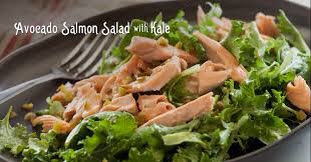
Kale provides an excellent source of vitamins B6 and C, carotenes, and manganese. It is also a very good source of vitamins B1, B2, and E, fiber, iron, copper, and calcium. Kale has almost three times as much calcium as phosphorus. This is a beneficial ratio because high phosphorus consumption has been linked to osteoporosis since it reduces the utilization and promotes the excretion of calcium. Kale and collard greens exhibit the same anticancer properties as other members of the cabbage family.
Health Benefits of Kale
Kale's nutrient richness stands out in three particular areas: (1) antioxidant nutrients, (2) anti-inflammatory nutrients, and (3) anti-cancer nutrients in the form of glucosinolates. Without sufficient intake of antioxidants, our oxygen metabolism can become compromised, and we can experience a metabolic problem called "oxidative stress." Without sufficient intake of anti-inflammatory nutrients, regulation of our inflammatory system can become compromised, and we can experience the problem of chronic inflammation. Oxidative stress and chronic inflammation � and the combination of these metabolic problems � are risk factors for development of cancer. You can count on kale to provide valuable cardiovascular support in terms of its cholesterol-lowering ability.
Papaya

The nutritional highlight of papaya is a proteolytic enzyme called papain which is an excellent aid to digestion. This enzyme is so powerful that it is said to digest an amazing 200 times its own weight in protein. It assists our body's own enzymes in assimilating the maximum nutritional value from the food we eat.
Health Benefits
Anti-Inflammatory: The anti-inflammatory virtue from the papain in papaya greatly reduce inflammation in diseases such as rheumatoid arthritis, osteoarthritis, gout and asthma.
Colon Cancer, Prevention Of: The rich fiber in papaya bind to cancer-causing toxins in the colon and is eliminated from the body during bowel movements.
Digestive Aid: Papaya is commonly known for its fine and natural laxative virtue which aids digestion. Taken regularly, it can help habitual constipation, bleeding piles and chronic diarrhea.
Strawberry
Strawberries are packed with a variety of anti-oxidant substances, including the flavonoid anthocyanidins (which gives the fruit its characteristic red color), vitamins C, E and beta-carotene.

They are also rich in dietary fiber, flavonoids, potassium, folic acid, vitamins of the B complex (B2, B5, B6), biotin, manganese, iodine and zinc; and very low in protein, sugar and calories, and virtually devoid of fat and cholesterol.
Health Benefits of Strawberries
Anti-anemic: Strawberries can help prevent and fight certain types of anemia, due to their high content in folic acid, which is essential for the synthesis of hemoglobin, the protein in red cells responsible for carrying oxygen throughout the body.
Anti-cancer: Strawberry is included in the list of top "superfoods" that help lower cancer death rates. This is because of the very high content of various anti-oxidants with flavonoids that work synergistically and more powerfully against oxidation and preventing damages caused by free radicals in our body.
Anti-coagulant: Strawberries contain moderate amount of acetylsalicylic acid, the same active ingredient found in aspirin. Although the amount of acetylsalicylic acid found in strawberries is not enough to relieve influenza symptoms, it can be actually helpful to thin blood and prevent blood clots formation, thereby reducing the work of the heart and improving its function.
Anti-inflammatory: Anthocyanidin is a unique flavonoid that makes strawberries a very powerful protector against inflammatory conditions such as asthma, gout, artherosclerosis, arthritis and rheumatoid arthritis. At the same time it protects against intestinal bleeding.

Contact Higher Healing for your Natural Health Consultation today. Let us work together to build energy, strength and vitality. Say goodbye to sickness and disease and Hello to Natural Health!
 May the ETERNAL One Shine His Face Toward You Always!